

Spine Surgery Recovery: Timeline and Tips
 John Coury, D.O
August 20, 2026
John Coury, D.O
August 20, 2026
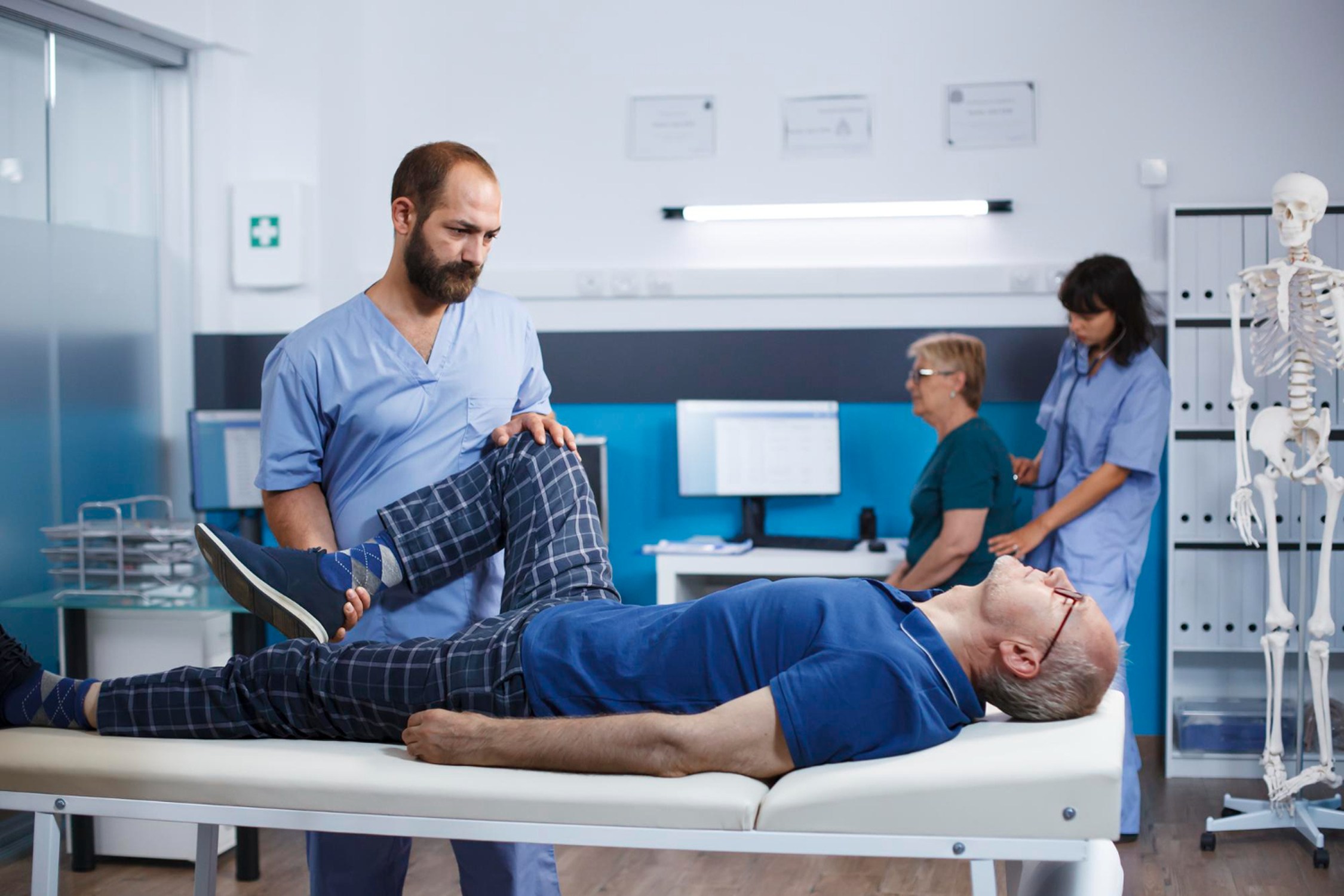
Spine surgery is a major milestone, but for most patients, the most critical phase begins after leaving the operating room. How long will recovery take? What everyday movements should you avoid? What does a normal healing process look like week by week?
While recovery varies based on your procedure, following proven rehabilitation protocols and setting up your home properly will ensure a smoother, safer healing journey.
When to Contact Your Surgeon Immediately
While mild soreness and swelling are normal, contact your surgical team or seek emergency medical evaluation immediately if you experience:
- Fever above 101°F or chills
- Increased redness, warmth, or foul-smelling drainage at the incision site
- Sudden loss of bowel or bladder control
- New or rapidly worsening leg weakness, numbness, or “foot drop”
- Severe chest pain or shortness of breath
Spine Surgery Recovery Timeline: Week by Week
Recovery timelines depend heavily on whether you underwent a minimally invasive procedure (like a microdiscectomy) or a structural procedure (like a spinal fusion).
| Recovery Phase | What to Expect | Activity Level & Milestones |
|---|---|---|
| Days 1–3 | Hospital monitoring, pain control, and early walking. | Discharge within 24 hours for minimally invasive procedures; 2–3 days for fusions. |
| Weeks 1–2 | Home recovery focus. Short, frequent walks around the house. | Prioritize rest; strict limitations on bending, lifting, and twisting (BLT). |
| Weeks 3–6 | Gradual return to light daily routines. | Physical therapy begins; desk work approved; driving restrictions remain in place. |
| Months 2–3 | Clearance for driving and low-impact exercise. | Walking programs expand; fusion patients await X-ray confirmation of bone healing. |
| Months 3–6 | Return to full daily activities and light sports. | High-impact activities or heavy manual labor may require up to 6+ months. |
Key Factors That Accelerate Your Recovery
While your body needs time to heal tissue, you can actively support and speed up your recovery timeline by focusing on three core areas:
- Early, Frequent Walking: Short 5- to 10-minute walks every couple of hours keep circulation active, prevent blood clots, and reduce lower back stiffness.
- Strict Adherence to “BLT” Restrictions: Avoid Bending, Lifting (over 10 lbs), and Twisting during the initial 6 weeks to protect healing spinal structures.
- Proactive Nutrition & Hydration: High-protein meals support tissue repair, while adequate water intake prevents opioid-induced constipation.
How to Get In and Out of Bed Safely (The Log-Roll Method)
Improper movement when getting in or out of bed is one of the most common ways patients accidentally strain their surgical site. Always use the Log-Roll Technique to keep your spine neutral:
Getting Into Bed:
- Sit on the edge of the mattress near the head of the bed.
- Lower your torso onto your side using your arms for support, keeping your neck and spine in a straight line.
- Swing your legs up onto the mattress simultaneously as your upper body lowers.
- Roll gently onto your back as one unified unit (do not twist at the waist).
- Place a pillow under your knees to relieve lumbar pressure.
Getting Out of Bed:
- Bend both knees while lying flat on your back.
- Roll onto your side in one fluid motion, keeping your shoulders and hips aligned.
- Use your bottom arm to push your upper body up while simultaneously swinging your legs over the edge of the mattress.
- Pause in a seated position for 10–15 seconds to avoid dizziness before standing up slowly.
Must-Have Home Recovery Items
Preparing your living space before surgery eliminates unnecessary bending and reduces fall risks:
- Firm Wedge Pillow: Keeps your knees elevated while lying down or supports your lower back while seated to maintain decompressed spinal positioning.
- Long-Handled Grabber Tool: Prevents bending below the waist to pick up items from the floor.
- Raised Toilet Seat with Handles: Minimizes hip flexion strain and makes sitting and standing effortless.
- Shower Chair & Handheld Showerhead: Prevents slips and allows you to bathe safely without prolonged standing.
- Non-Slip, Slip-On Shoes: Provides sturdy foot support while eliminating the need to bend over to tie shoelaces.
- Pill Organizer & Daily Log: Helps you maintain a consistent medication schedule to prevent breakthrough pain.
Managing Post-Op Swelling & Side Effects
Reducing Surgical Site Swelling:
- Apply Ice: Wrap an ice pack in a thin towel and apply it to the incision area for 15–20 minutes at a time, several times daily during the first week.
- Avoid Prolonged Sitting: Sitting increases venous pressure on the lower spine. Alternate between walking and lying down.
- Elevate Your Legs: Resting with your legs supported on pillows helps drain fluid from the lower extremities.
Preventing Opioid-Induced Constipation:
- Start Stool Softeners Early: Begin taking a recommended stool softener on the day of surgery while using prescription pain medications.
- Hydrate Consistently: Drink at least 8 glasses of water daily to keep fiber moving through your digestive system.
- Taper Pain Medications: Transition to over-the-counter anti-inflammatories as soon as your surgeon approves, as reducing opioids is the most effective way to restore normal digestion.
Comprehensive Post-Op Care at STL Spine Care
Surgery is only the first step toward long-term mobility. At STL Spine Care, our St. Louis spine specialists provide structured follow-up evaluations, personalized rehabilitation plans, and direct communication with your surgical team throughout your recovery.
Whether you are preparing for an upcoming procedure or seeking guidance on your rehabilitation plan, our team is here to support your recovery every step of the way. Contact our St. Louis clinic today to learn more.
Frequently Asked Questions
How long does recovery take for minimally invasive spine surgery?
How long is the hospital stay for spine surgery at STL Spine Care?
When can I safely start physical therapy after my surgery?
How can I manage post-op pain without over-relying on opioids?
When is it safe to drive again after back surgery?
Most patients are cleared to drive between 2 to 6 weeks after surgery. You must be completely off prescription opioid pain medications and have regained full motor control in your legs to safely perform an emergency brake stop.
- When to Contact Your Surgeon Immediately
- Spine Surgery Recovery Timeline: Week by Week
- Key Factors That Accelerate Your Recovery
- How to Get In and Out of Bed Safely (The Log-Roll Method)
- Must-Have Home Recovery Items
- Managing Post-Op Swelling & Side Effects
- Comprehensive Post-Op Care at STL Spine Care
- Frequently Asked Questions