Spine Care

Spinal Stenosis Treatment in St. Louis

Back Pain? It Might Be Spine Narrowing.

STL SpineCare understands that every pain is unique. So, your treatment should be too. We address your specific symptoms with personalized treatment.

What is Spinal Stenosis?

Spinal Stenosis is the narrowing of the natural channel that protects the main nerves inside your backbone. This tightening puts painful pressure on the nerves traveling from your spine to your arms and legs. Don’t put off feeling better. Take control of your pain today.

Why Do You Get Spinal Stenosis?

Age factor

Herniated or bulging discs

Thickened ligaments

Bone spurs from arthritis

Spinal injuries or fractures

Congenital spinal narrowing

What Spine Narrowing Does to Your Body?

When the nerves in your spine are pinched by narrowing, the effects can travel throughout your entire body. Don’t wait till your discomfort affects your daily routine. Any of these symptoms can lead to severe pain. It’s better to consult a Spinal Stenosis doctor before things get worse. Take the first step with STL SpineCare, the most important action you can take toward reclaiming your comfort.

How We Accurately Diagnose Your SI Joint Dysfunction

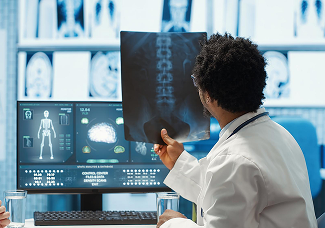
We analyze how your lower back, hips, and pelvis interact, then use focused tests to confirm whether your SI joint is driving your pain. This helps you get a clear diagnosis and the right treatment more quickly.

Our Approach to Spinal Stenosis Treatment

Non-Surgical Care

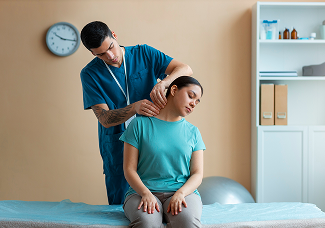
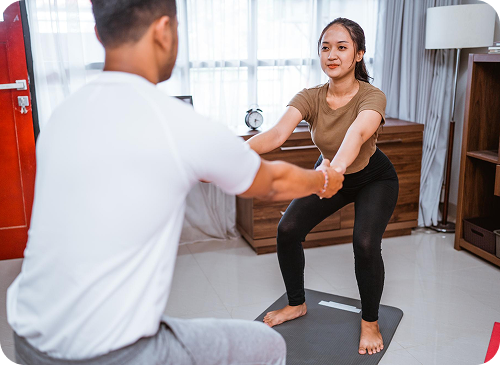
We begin with physical therapy and guided exercise for progression without surgery.

Medications

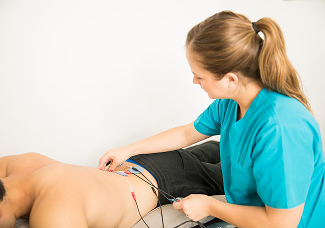
Includes anti-inflammatory drugs and nerve pain relievers to control pain and reduce inflammation.

Epidural Steroid Injections

Injections near the affected nerves to reduce swelling and provide pain relief.

Activity Modification and Posture Correction

Advising changes 

Lumbar Support or Braces

Devices to support the lower back and improve stability during movement.


Surgical Treatments

Surgical intervention is recommended by spine experts only when conservative measures fail to provide adequate relief.

Laminectomy (Decompression Surgery)

Removal of bone or tissue that is pressing on spinal nerves.

Spinal Fusion

To stabilize the spine when there is instability, by joining two or more vertebrae together.

Minimally Invasive Procedures

Newer surgical techniques that involve smaller incisions for faster recovery.

Why St. Louis Chooses STL SpineCare for Spinal Stenosis

We focus on treating you as a whole person, offering a blend of expertise, modern methods, and personalized attention.

Spine & Nerve Care Experts

You’ll be cared for by specialists with deep knowledge in treating spine narrowing.

Advanced, Minimally Invasive Solutions

Our goal is to use precision tools and solutions to relieve nerve pressure with non-surgical treatment first.

Individually Customized Treatment Plans

We thoroughly evaluate your unique symptoms and daily needs to create a specific treatment plan

Trusted Local Support

Patients across St. Louis rely on us because we make the treatment process supportive and transparent.

Your Next Chapter: Recovery at STL Spine Care

  • What Your Healing Looks Like

    We are here to support you at every stage of recovery, like weeks of guided healing after a procedure or just days following non-surgical care.

  • Ongoing Support & Follow-Up

    We stay by your side with personalized recommendations for physical therapy and thoughtful check-ins.

  • Returning to the Things You Love

    We guide you safely and at your own pace, helping you regain full function and the confidence to enjoy life without the limitations of spine pain.

Frequently Asked Questions

Is spinal stenosis curable without surgery?
No, but symptoms are highly manageable. Non-surgical treatments like physical therapy and injections are highly effective at controlling pain and significantly improving your quality of life.
Recovery is personalized. Minimally invasive procedures may allow return to light activities within weeks. More comprehensive surgeries require a few months of guided rehabilitation.
Yes, absolutely. Guided physical therapy strengthens your supporting muscles, which significantly reduces nerve pressure and helps you regain mobility.
Symptoms can gradually worsen without care. Early management and treatment with our specialists is the best way to slow progression and preserve your long-term function.
Yes, we prioritize them. We offer advanced, minimally invasive techniques designed to reduce tissue damage, minimize recovery time, and provide effective, lasting relief.

CONTACT US

Your comfort, switched back on.