- info@stlspinecare.com
- 226 South Woods Mill Road Suite 35 West Chesterfield, MO 63017
Phone : (314) 548-6860


Sacroiliac (SI) Joint Pain Treatment in St. Louis
Pain in Your Back, Hip, or Groin? It Could Be Your SI Joint.
When nagging tension in your lower spine region turns simple movements into effort, we help you address the unstable sacroiliac joint behind it
What is Sacroiliac (SI) Joint Pain?
SI joint pain is pain that comes from the sacroiliac joints, which connect your lower spine to your pelvis. It occurs when these joints become irritated, inflamed, or start moving in ways they shouldn’t. This irritation affects how the joints support and stabilize your hips. As a result, normal movement can place extra stress on the area. The pain is often felt in your lower back, hips, or buttock region.
What’s Causing That Discomfort Around Your Pelvis?
Arthritis or degenerative joint changes
Pregnancy and childbirth (pelvic ligament strain)
Trauma or injury from falls or accidents
Uneven leg length or gait issues
Infection or inflammatory conditions (rare)
Prior lumbar spine surgery

Key Signs You May Have Sacroiliac Joint Pain
Some pains announce themselves; others slip quietly into your routine until you realize you’re moving differently than you used to. SI joint pain often behaves like that, showing up as a deep pull near the base of your back or a stubborn ache around your hip that seems to shift with every step.
If you’ve noticed your body working harder to do the things that once felt automatic, this is where we help you understand what your symptoms mean and support you on a clearer path back to comfortable movement.
- Lower back pain that reaches into the hips, buttocks, or thighs
- Pain that gets worse with standing or walking
- Stiffness or limited movement in the lower back
- Discomfort when climbing stairs or getting out of a car
- Numbness, tingling, or weakness in severe cases.
How We Accurately Diagnose Your SI Joint Dysfunction
We analyze how your lower back, hips, and pelvis interact, then use focused tests to confirm whether your SI joint is driving your pain. This helps you get a clear diagnosis and the right treatment more quickly.

Review of Symptoms & Physical Exam
We examine how your lower back, hips, and pelvis move, checking for tenderness, instability, and motion patterns that point toward SI joint involvement.
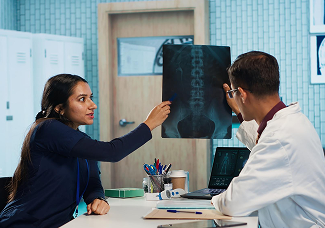
Imaging Tests: X-ray, CT Scan, or MRI
Imaging helps rule out other causes, like disc issues or hip conditions, and provides a clearer view of the structures surrounding the SI joint.
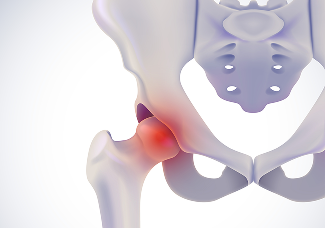
Diagnostic SI Joint Injection
A small, image-guided anesthetic injection is used to temporarily numb the joint. If your pain improves, it confirms the SI joint as the true source.
Our Approach to Back Pain Relief
Non-Surgical Options
Targeted Medications
Anti-inflammatory or muscle-relaxing medications may be used to ease pain and reduce tension around the joint.
Stabilizing Physical Therapy
Exercises designed to strengthen your core, glutes, and pelvic stabilizers help support the SI joint and improve how the area moves.
Image-Guided SI Joint Injections
A precise injection of anesthetic and/or steroid reduces inflammation inside the joint and can offer significant relief.
Radiofrequency Ablation
For recurring pain, RFA gently disrupts pain-producing nerves around the SI joint, providing longer-lasting comfort.
Surgical Options
Minimally Invasive SI Joint Fusion
Small implants or screws are used to secure the joint, restore stability, and limit the abnormal movement causing your pain.
Precision-Guided Techniques
Modern surgical approaches use advanced imaging to ensure accurate placement and reduce tissue disruption.
Clear Expectations & Recovery Planning
We discuss the benefits, potential risks, and expected healing timeline so you know exactly what to expect before and after the procedure.
The Difference You’ll Experience With Our SI Joint Care
Experienced Spine & Nerve Specialists
Your care is led by physicians with advanced training in spine and pelvic disorders, who understand SI joint pain at a highly specialized level.
Advanced, Minimally Invasive Options
We use modern techniques and precision tools to pinpoint issues precisely and deliver care with greater confidence and predictability.
Customized Treatment Plans For SI Joint Cases
We routinely diagnose and treat SI joint conditions that are often overlooked or misidentified elsewhere and deliver treatments that truly match your condition.
Local Care You Can Trust
Patients across St. Louis rely on us because we make the process understandable, supportive, and focused on results.
Your Next Chapter: Recovery at STL Spine Care

What to Expect After Treatment
Healing looks different for everyone. At STL Spine Care, we walk with you through every stage, whether recovery takes weeks after surgery or just days with non-surgical care.
Physical Therapy & Follow-Up Care
We stay by your side with gentle therapy and thoughtful check-ins, making sure you feel supported every step of the way.
Return to Normal Activities
Getting back to the things you love matters most, and we’ll help you do it safely and at your own pace.
Frequently Asked Questions
Can SI joint pain heal on its own?
SI joint pain can settle temporarily with rest, but true healing depends on identifying why the joint is irritated or unstable. As specialists in Sacroiliac (SI) Joint Pain Treatment in St. Louis, we often see that untreated SI joint issues return or worsen over time, so early evaluation is the safest path.
How do I know if my pain is from the SI joint or the spine?
SI joint pain typically stays in the lower back, hip, or buttock, while spine-related nerve pain tends to travel farther down the leg. Because symptoms can overlap, a precise exam by an SI joint pain specialist in St. Louis is the most reliable way to distinguish between the two and avoid misdiagnosis.
What are the non-surgical treatment options?
Non-surgical care is highly effective for most SI joint conditions. Our approach includes stability-focused physical therapy, anti-inflammatory medications, ultrasound- or fluoroscopy-guided SI joint injections, radiofrequency ablation, and targeted bracing.