


Herniated Disc in Your 20s or 30s? Causes, Risks, and Recovery Tips
January 27, 2026If you’re in your 20s or 30s and suddenly feeling sharp back or leg pain, you may wonder why do I have a herniated disc in my 20s, something you associate with older adults. But in younger adults, herniated discs tend to follow clear, predictable patterns, and the encouraging news is that your age gives you one of the strongest healing advantages. Once you understand what triggered your symptoms and how your disc behaves, you can take steps that move you toward recovery instead of setbacks.
In this guide, we’ve highlighted why your disc herniated, what your symptoms of herniated disc in young adults, and what you can do to support predictable recovery, along with the warning signs that tell you when to seek care.
Why You May Have a Herniated Disc in Your 20s or 30s
A herniated disc in your 20s or 30s rarely appears out of nowhere. It usually follows a pattern you’ve lived through: a long week at your desk, pushing for an extra rep at the gym, or a quick twist during a game that left you hoping it was “just a strain.”
But here’s the part most people miss:
Young adults often develop disc issues not from one big injury, but from repeated stress on the same area of the spine. When that stress reaches its limit, symptoms may appear: sharp pain, recurring flare-ups, or pain that radiates into the leg or arm.
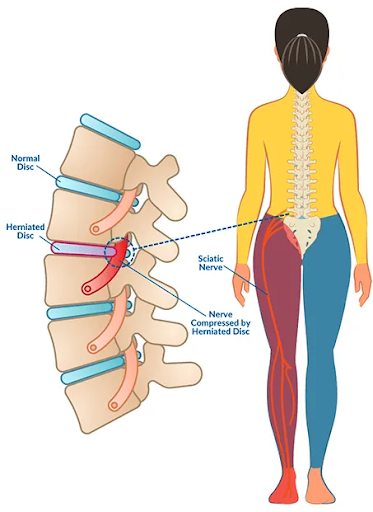
But why does this happen?
Here are the three patterns we see most often, and how each one typically leads to symptoms like yours.
1. Long Hours Sitting With Poor Posture
If you spend most of your day sitting, your spine remains in a flexed position, which increases intradiscal pressure. Over time, this renders the disc’s outer layer more vulnerable.
What to do now: Adjust your posture and take standing breaks every 30–45 minutes.
What you can expect: Less nerve pressure and reduced pain within few days.
2. Herniated disc from lifting weights
Deadlifts, squats, and leg presses aren’t the problem. The issue starts when your back rounds or when you push through fatigue.
What to do now: Avoid loaded bending and reset your lifting mechanics.
What you can expect: Reduced sharpness of pain and fewer shooting symptoms within 1–2 weeks.
3. Sports or Sudden Twisting Movements
Sports like basketball, tennis, and HIIT combine rotation and compression, two forces that stress the disc simultaneously. This can cause a tear in the outer layer and trigger radiating pain.
What to do now: Reduce twisting for 1–2 weeks.
What you can expect: Faster pain centralization (a good sign of healing).
What Are the Symptoms of a Herniated Disc in Young Adults?
Younger discs contain more hydration, which means when they shift or herniate, they press more directly on nerves. Common symptoms include:
Radiating Leg or Arm Pain
If pain travels into your leg or arm, it’s a nerve issue, not a muscle strain.
Numbness or Tingling
These sensations indicate that the disc is irritating the nerve root.
Pain Worse When You Sit
Sitting increases disc pressure and often intensifies symptoms.
How Do You Know If It’s a Disc Problem or a Muscle Strain?
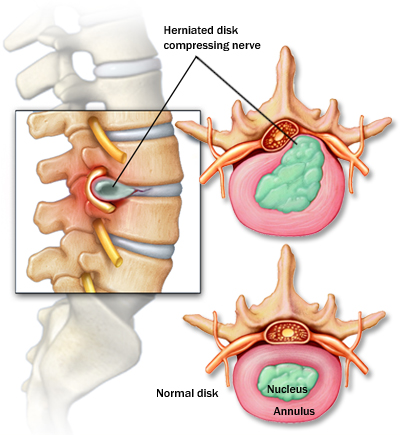
A muscle strain and a herniated disc can both cause back pain, but they behave very differently. A muscle strain affects the soft tissues around your spine, typically from overstretching or overloading a muscle, and the pain usually remains local.
A herniated disc happens when the soft center of the disc pushes through a small tear in the outer layer and comes into contact with a nearby nerve. The pain travels along a certain nerve pathway. A disc pain can move into your leg, foot, arm, or hand.
How Serious Is a Herniated Disc at Your Age?
A herniated disc in your 20s or 30s can feel intense, but most cases in young adults respond well to conservative care. Your age works in your favor; healthier discs and stronger tissues mean faster healing when the right steps are taken.
Key signs that your herniated disc is getting worse
- Pain that becomes more localized and less intense often signals progress.
- Pain radiating downward, new numbness, or any weakness indicates the nerve requires closer attention.
- Loss of bladder or bowel control or numbness in the groin requires immediate medical care.
The key is paying attention to how your symptoms change and acting promptly if they shift in the wrong direction.
Signs You’re Healing
As your disc and nerve begin to calm, your symptoms won’t disappear all at once. Instead, you’ll notice a pattern of gradual, measurable improvement.
Centralization of Pain
This is one of the clearest indicators of progress. If pain begins retreating from your back toward your lower back or neck, it means the nerve is recovering.
Reduced Intensity
Sharp, shooting sensations often shift into a dull ache or stiffness. Flares become less frequent, less severe, and easier to manage.
Better Position Tolerance
You can sit, stand, or walk for longer without triggering symptoms. Activities that once caused immediate pain now feel more manageable.
Lower Dependence on Medication
As inflammation decreases, you naturally reach for pain relievers less often , another reliable sign of improvement.
Give Your Body Time
Disc recovery is gradual. Most young adults improve steadily over 4–12 weeks, with continued gains in strength and confidence over the following months.
If you’re wondering how long it takes to heal a herniated disc, this guide can help you interpret those early changes: Will a Herniated Disc Heal on Its Own or Get Worse Over Time?
Conclusion
A herniated disc can be painful and disruptive, but your body is built to heal. As inflammation settles and the disc stabilizes, you’ll regain strength, mobility, and confidence. The key is recognizing the signs of improvement, avoiding movements that slow healing, and following a plan that supports your spine through every stage.
If you’ve reached the 6-week mark and your symptoms haven’t improved, or if you’re unsure how to begin a safe recovery program, it’s wise to seek professional care from a trusted herniated disc specialist St. Louis patients rely on.
If you’re in the St. Louis area, at STL Spine Care, our team specializes in managing disc injuries with accurate diagnosis, guiding your treatment, and helping you return to your normal activities with confidence.
Frequently Asked Questions
Why did I get a herniated disc so young?
Many adults in their 20s and 30s develop a herniated disc due to prolonged sitting, poor lifting mechanics, sudden twisting, or repetitive strain on the lower back. These stresses increase disc pressure and make young adults more vulnerable than expected.
Can weightlifting at the gym cause or worsen a herniated disc?
Yes. Lifting weights with a rounded back, poor form, or fatigue can increase disc pressure and trigger a herniated disc. Heavy deadlifts, squats, and leg presses are common exercises associated with disc injuries in young adults.
How do I know if my herniated disc is healing or getting worse?
Healing symptoms usually move closer to your spine and become less intense. A herniated disc may be getting worse if pain travels further down your leg, numbness increases, or new weakness appears.
Do young adults recover faster from a herniated disc?
Yes. Younger discs have greater hydration and healing capacity, resulting in faster recovery when consistent conservative treatment is maintained.
When should I see a specialist for herniated disc symptoms?
If symptoms last more than 6–8 weeks, worsen, spread downward, or cause weakness, numbness, or bowel/bladder changes, you should see a spine specialist for evaluation.