


When to See a Spine Specialist for Neck Pain (And When You Shouldn’t Wait)
 John Coury, D.O
March 17, 2026
John Coury, D.O
March 17, 2026
Neck pain is a common complaint, and most of us have experienced it at some point, whether after a long day at the desk, after exercising, or even after sleeping in an awkward position. While occasional discomfort is normal, persistent or severe pain can signal underlying issues that require professional attention.
Knowing when to act can prevent long-term complications and improve overall quality of life.
In the sections that follow, we help you understand when neck pain is harmless and when it deserves expert spine care advice.
Why Your Neck Pain Might Be More Than Just Muscle Strain
Neck pain doesn’t always stem from simple muscle tension. In some cases, pain is a symptom of deeper issues involving the cervical spine, nerves, or discs. Understanding the cause is the first step toward effective relief and prevention.
Common Causes of Neck Pain
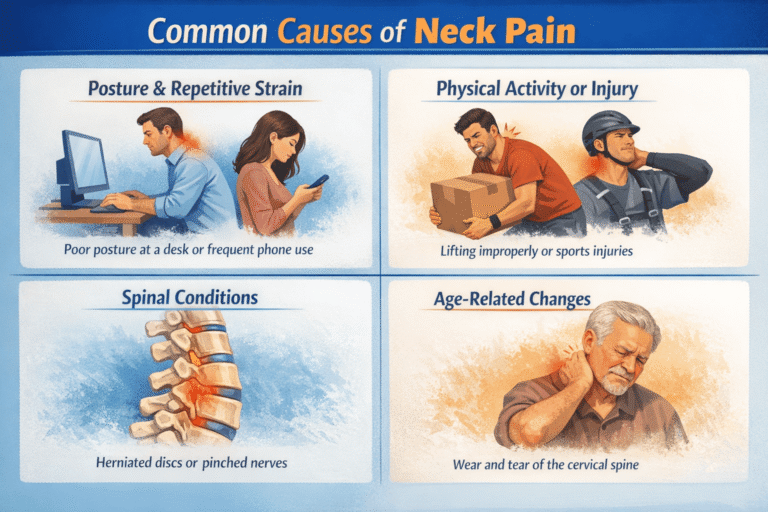
- Posture and repetitive strain: Long hours at a computer or frequently looking down at a phone can create chronic tension in the neck and upper back.
- Physical activity or injury: Incorrect lifting, sudden movements, or sports-related injuries can strain muscles or irritate nerves.
- Spinal conditions: Herniated discs, pinched nerves, or degenerative changes in the cervical spine may lead to persistent discomfort.
- Age-related changes: Over time, natural wear and tear in the spine can result in stiffness and pain.
When You Shouldn’t Wait to See a Spine Specialist
If neck pain lasts longer than 2-4 weeks, or progressively worsens within days. It may indicate a deeper spinal issue. And delaying care can potentially lead to chronic pain or more complex treatment needs. Recognizing red flags is essential for timely intervention.
How to Tell If Your Neck Pain Is Serious

If you experience any of these symptoms, it’s time to schedule a consultation.
- Pain lasting more than a few weeks without improvement
Ongoing pain may suggest joint, disc, or nerve irritation that isn’t resolving on its own. - Pins-and-needles or tingling sensations in the arms or fingers
This could point to nerve compression where signals from the neck to the arm are being disrupted. - Sharp or radiating pain down the shoulders or arms
Pain that travels usually indicates a pinched nerve or cervical disc involvement. - Pain that interferes with sleep or daily activities
When pain affects routine life, it may reflect inflammation or structural strain needing evaluation. - Reduced coordination in the hands or fingers
Clumsiness or slower finger control can be a sign that nerves controlling fine movement are under pressure.
How Everyday Habits Can Make Neck Pain Worse
Daily routines and work habits significantly contribute to neck discomfort, and small, repeated actions can create long-term problems if ignored. Understanding these habits can help you prevent worsening pain and potential spinal issues.
- Poor posture at your desk: Sitting hunched over a computer or craning your neck toward your phone places continuous strain on your cervical spine. Over time, this misalignment can lead to chronic tension, stiffness, and even structural changes. Poor desk posture is one of the leading causes of long-term cervical spine damage in working professionals.
- Prolonged inactivity: Sitting for hours without moving keeps muscles tight and reduces circulation, making your neck more susceptible to strain.
- Repetitive movements: Activities like lifting incorrectly, repetitive overhead work, or frequent twisting can aggravate the cervical spine.
Even small adjustments, such as setting your monitor at eye level, keeping your shoulders relaxed, taking short posture breaks every hour, and integrating gentle stretches, can significantly reduce strain and protect your neck over time.
Neck Pain Relief to Try Before Seeing a Spine Specialist
If your neck pain is mild or just starting, there are several effective steps you can take at home before consulting a specialist. These approaches can relieve discomfort, improve mobility, and sometimes prevent the issue from worsening.
Home Remedies
Begin with simple measures: rest when possible, avoid activities that aggravate your neck, and use ice or heat packs for 15–20 minutes several times a day to reduce inflammation and soothe stiffness.
Incorporating gentle neck stretches and being mindful of your posture, both at your desk and while sleeping, can provide noticeable relief.
Physical Therapy
For more targeted relief, a physical therapist can design exercises to strengthen neck and shoulder muscles, improve flexibility, and correct posture imbalances. Many mild cases see improvement within 4–6 weeks of guided therapy. Additional techniques like therapeutic massage, ultrasound, or TENS (transcutaneous electrical nerve stimulation) can further reduce pain and enhance recovery.
However, if physical therapy isn’t improving your symptoms, it may signal a deeper spinal issue. Learn more about what it means when physical therapy isn’t working for neck pain and when it’s time to look for other treatment options.
Lifestyle Adjustments
Long-term neck pain relief depends on making small but consistent lifestyle changes.
- Adjust your desk ergonomics and chair height for proper alignment
- A cervical pillow or one that keeps your head aligned with your spine
- Include low-impact exercises like walking, swimming, or yoga to maintain mobility
- Focus on weight management and stress reduction, as both can reduce mechanical strain on your cervical spine.
Conclusion
Neck pain may start as a minor nuisance, but knowing the cause is important. What feels like a simple strain today can quietly develop into nerve irritation, disc problems, or chronic stiffness if the real cause is overlooked.
Recognizing warning signs early and exploring other relief options can make a significant difference in your spinal health.
A specialist evaluation shouldn’t be the last resort after weeks of managing neck pain; it’s a smart step forward in finding a solution. Our Spine Specialists focus on identifying the true source of neck pain through precise diagnosis and provide targeted treatment plans.
Your cervical spine plays a vital role in daily life, and taking timely action ensures mobility, comfort, and overall well-being. Don’t wait for pain to dictate your routine, listen to your body, act early, and prioritize your spine health.
Frequently Asked Questions
How to know if neck pain is serious or just a strain?
Can a pinched nerve in the neck heal on its own?
Are neck pain exercises safe to do without a diagnosis?
Can untreated neck pain lead to permanent damage?
What type of doctor is best for chronic neck pain?
A spine specialist, such as an orthopedic spine doctor or neurosurgeon specializing in the spine, who has focused training in diagnosing and treating cervical spine conditions.